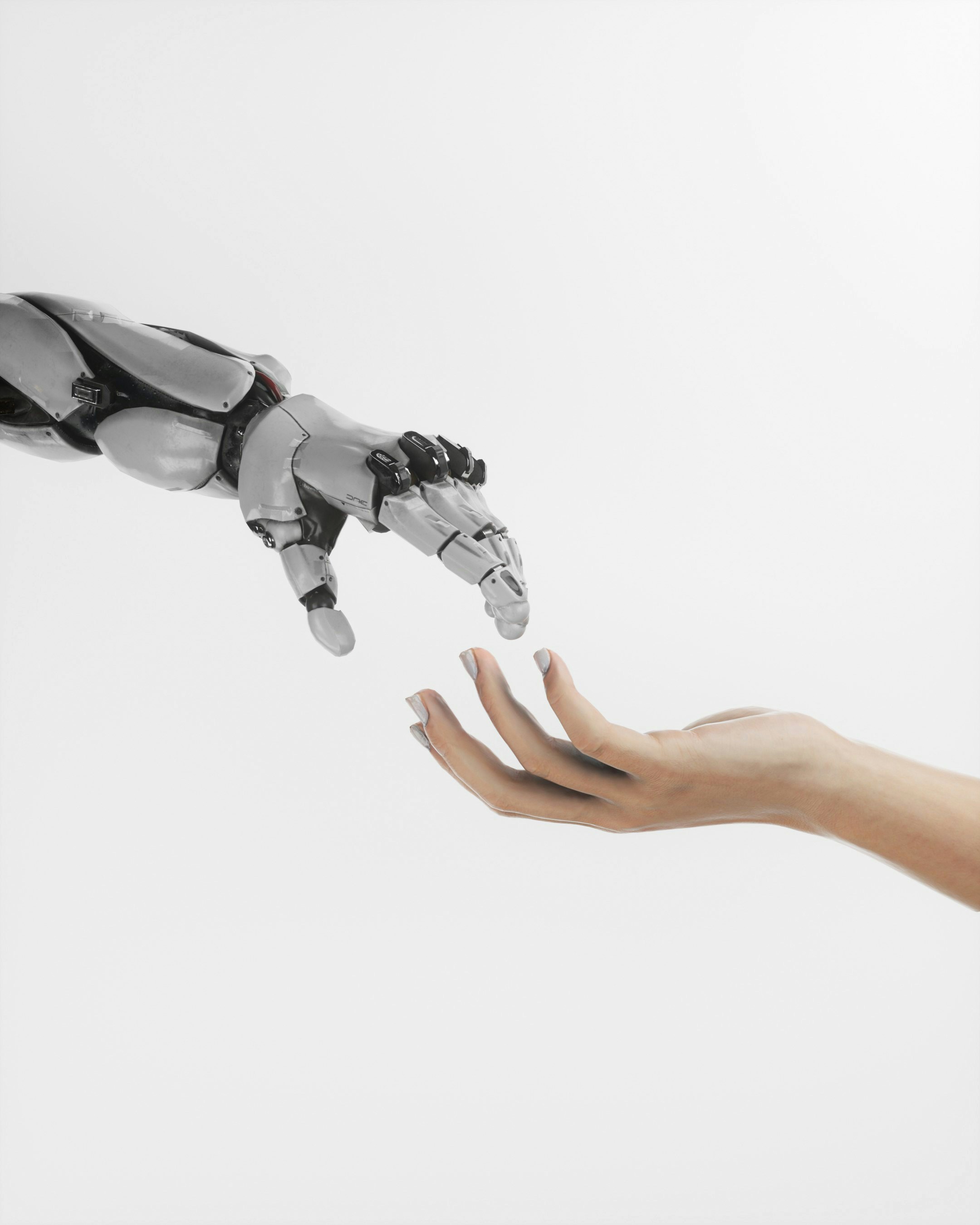
###The landscape of Artificial Intelligence is currently undergoing a fundamental shift.
While 2023 and early 2024 were defined by the "Chat Era," where Large Language Models (LLMs) acted as sophisticated conversational interfaces, we are now well into the "Agentic Era." Claude Code arrived as a research preview in February 2025 and became generally available that May. In my view, and I am not alone in it, the real inflection point came with Claude Opus 4.5 in November 2025. We are moving away from tools that simply talk to tools that actually do.
From Chatbots to Agents
The core distinction between a standard chatbot and an "Agentic" system lies in autonomy and reasoning. A traditional chatbot is reactive: it waits for a prompt, processes the text, and provides a response. An AI agent, however, is proactive. It is designed to achieve a specific goal by breaking down a high-level objective into a series of sub-tasks, selecting the necessary tools, and executing them autonomously.If you ask a chatbot to "plan a trip," it might give you an itinerary. If you ask an Agentic system to "book a trip," it might search for flights, compare prices based on your preferences, interact with booking APIs, and ultimately reserve the tickets.
The Core Pillars of Agentic AI
To achieve this level of autonomy, Agentic AI relies on several key technological pillars:- Reasoning and Planning: Using techniques like "Chain of Thought" or "Tree of Thoughts," agents can map out a path to a goal. They can evaluate if a step was successful and re-plan if they encounter an error.
- Tool Use (Function Calling): Agents are no longer confined to their training data. Through APIs, they can "reach out" into the real world: querying databases, checking live weather, searching the web, or executing code in a sandbox.
- Multi-Agent Collaboration: The most talked-about architecture for 2026 is "Multi-Agent." Instead of one giant model doing everything, a swarm of specialized agents (for example, a "Researcher" agent, a "Writer" agent, and a "Fact-checker" agent) work together to complete complex projects. The evidence so far is more interesting than the pitch. In Anthropic's own testing, 45 coordinated agents found 266 vulnerabilities where an uncoordinated parallel run found 21, but only 12 were common to both: more agents produced a different set of findings, not a bigger one. Push the population from 10 to 80 and the fraction of merged pull requests goes down. And when agents shared a queue with no way to coordinate, one run logged 2.4 million job requests against 117 accepted jobs. Their conclusion is the part worth keeping: coordination does not arrive on its own by making the individual agents smarter. I went through the full research over on XT.PT.
- Human-in-the-Loop Orchestration: Despite their autonomy, the best-designed systems include "guardrails" where the agent pauses to ask for human approval before performing critical actions, such as making a payment or publishing a post.
The Impact on Software and Development
For developers, this shift changes the way we build software. We are moving toward "Agentic Workflows." Instead of coding every single "if/then" statement, engineers are designing the environment in which an agent can operate. This involves providing the agent with the right documentation, the correct toolset, and a clear set of goals.In the world of software engineering, this means the rise of autonomous coding assistants that do not just suggest snippets of code but can identify a bug in a repository, plan the fix, and submit a pull request independently.
Conclusion: The Next Frontier
The transition from Chat to Agent is the next logical step in the AI evolution. By granting models the ability to use tools, reason through multi-step workflows, and collaborate with other agents, we are moving toward a world where AI acts as a digital workforce. For the tech community, this means a massive shift in how we think about automation, software design, and the role of the human in the creative and productive process.Giving a model hands turned out to be the easy part. Deciding what it is allowed to reach for is the work, and that part is still ours.